Schedule your initial consultation today and start your journey towards a pain-free, healthier smile. Contact us now!
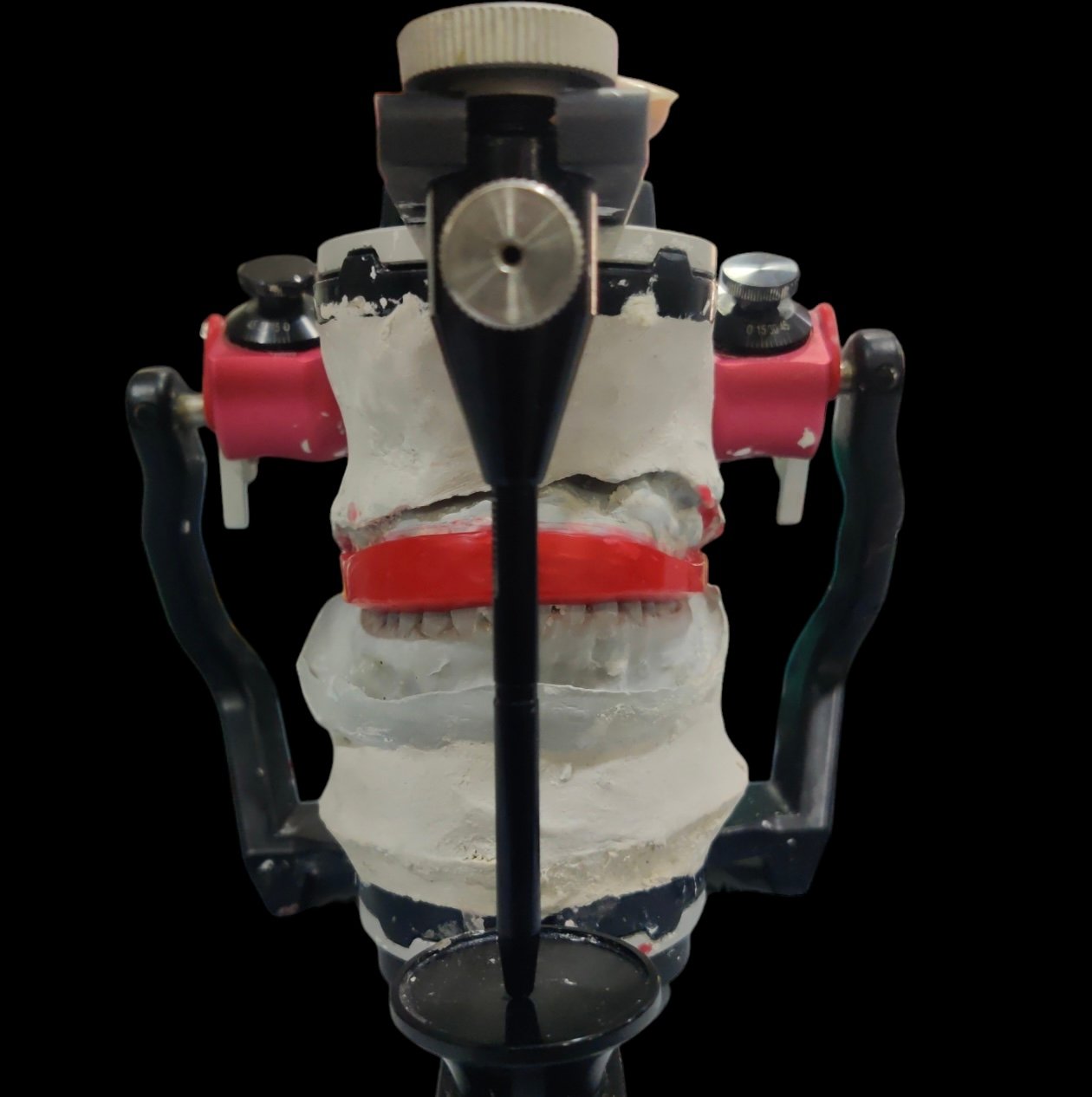
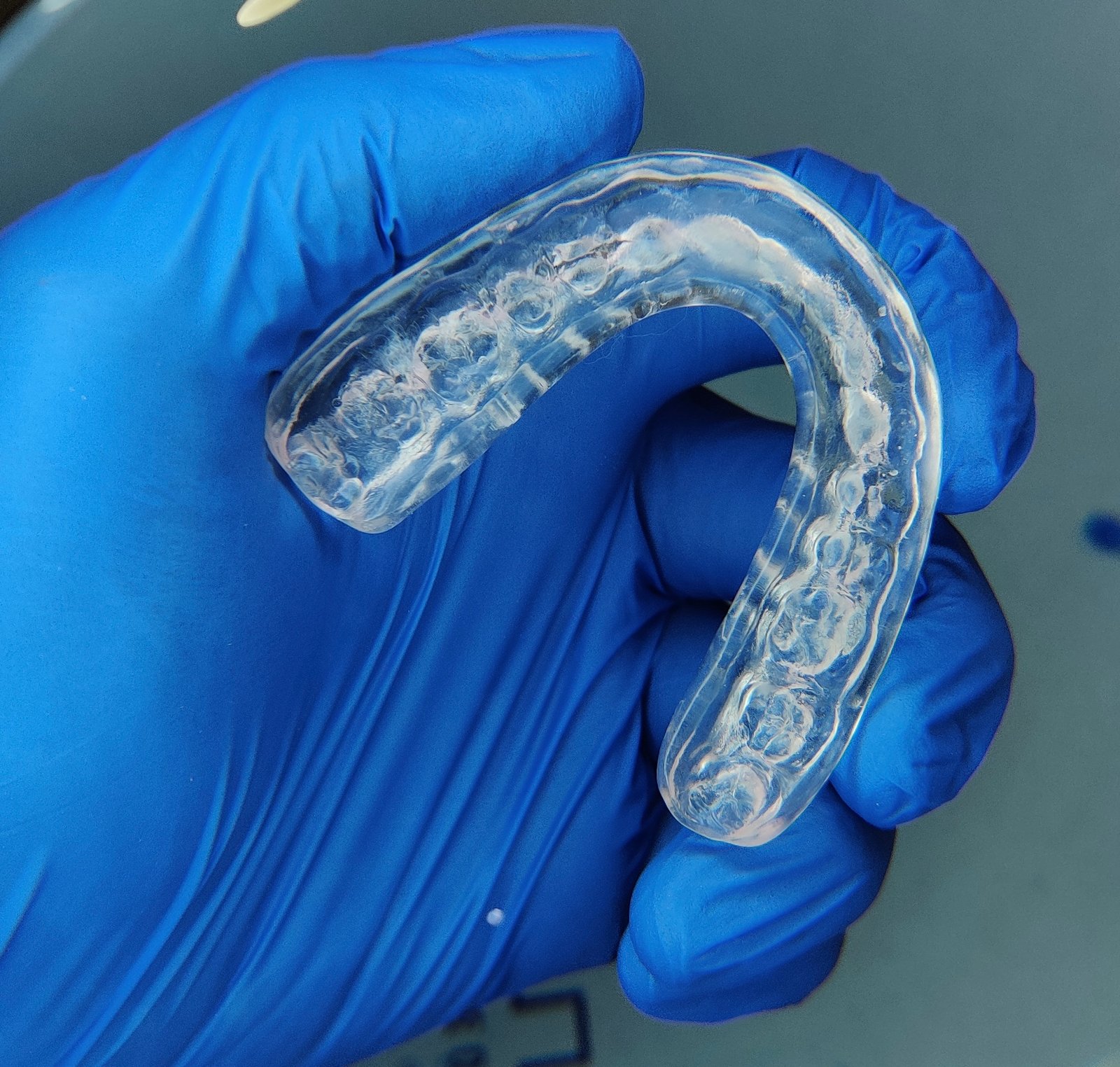
TMJ stands for temporomandibular joint—the hinge joint connecting your jawbone to your skull, located just in front of each ear. These joints, along with surrounding muscles, allow you to open and close your mouth, chew, speak, and yawn.
Temporomandibular disorders (TMDs) are a group of conditions causing pain and dysfunction in the jaw joint and the muscles controlling jaw movement. They can significantly affect your quality of life, making eating and talking uncomfortable.
We offer comprehensive evaluation and conservative, evidence-based treatment focused on relieving pain and restoring normal jaw function.
TMJ disorders often arise from multiple factors:
– Teeth Grinding & Clenching (Bruxism) – Excessive pressure on the joint from habitual grinding, especially during sleep.
– Muscle Tension & Overuse – Stress and anxiety leading to unconscious clenching and facial muscle tightness.
– Jaw Injury or Trauma – Blows to the jaw, whiplash, or facial injuries.
– Arthritis – Osteoarthritis or rheumatoid arthritis affecting the joint.
– Disc Displacement – Cushioning disc slipping out of position, causing clicking, popping, or locking.
– Poor Posture – Forward head posture straining jaw and neck muscles.
– Repetitive Habits – Excessive gum chewing or nail biting causing muscle fatigue.
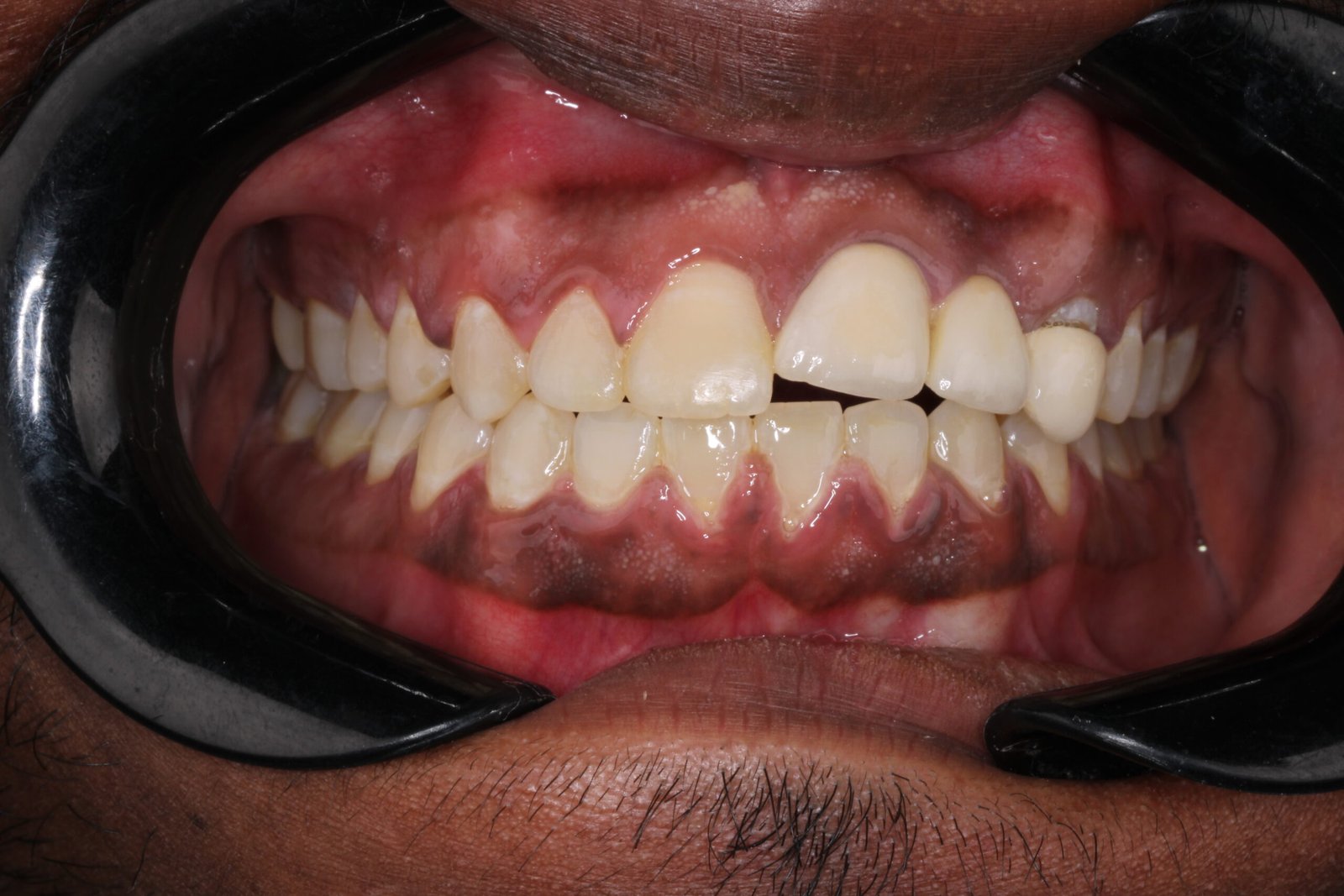
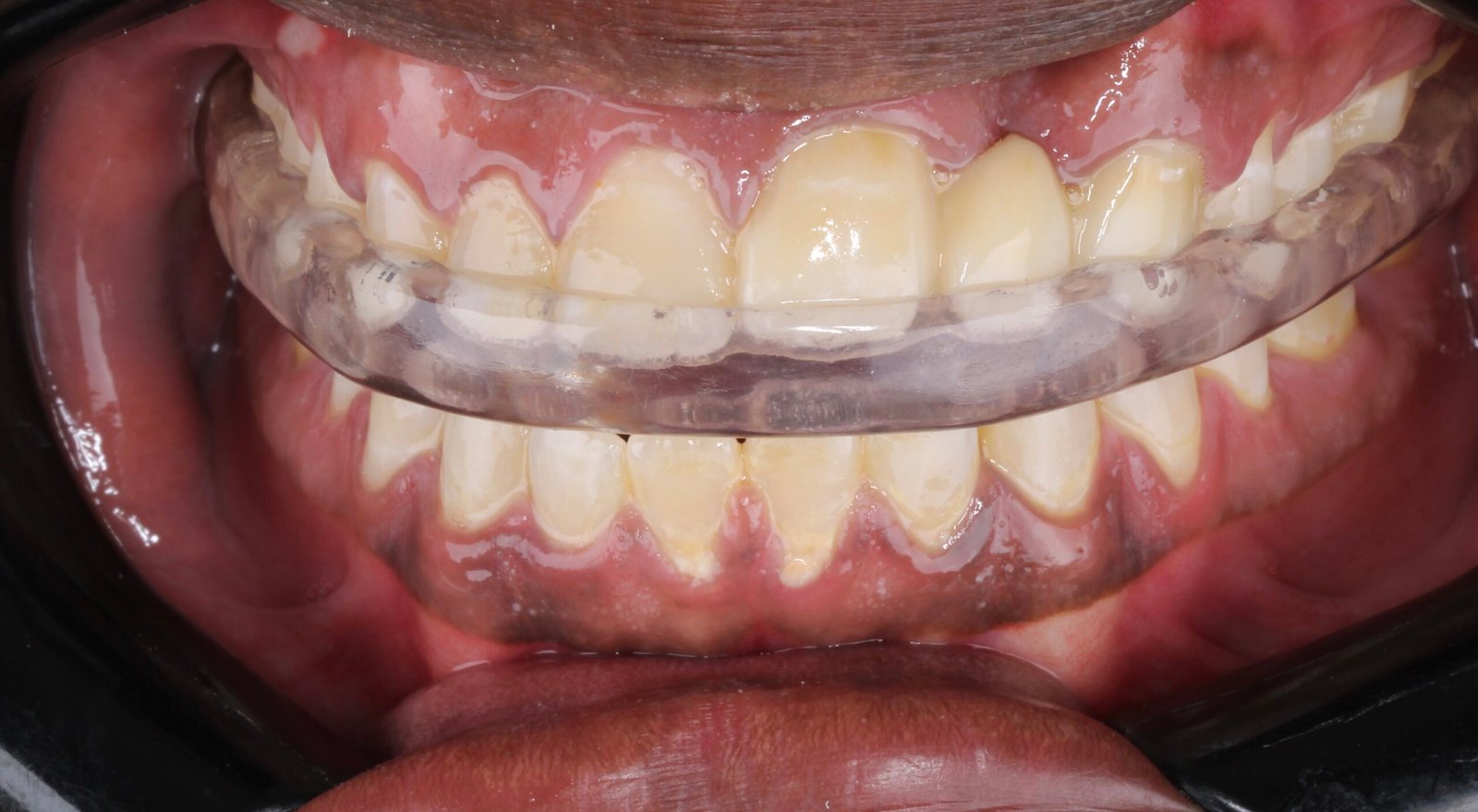
Common symptoms include:
– Jaw pain or tenderness (dull, aching, or sharp).
– Pain when chewing, speaking, or yawning.
– Clicking, popping, or grinding sounds from the joint.
– Locking of the jaw (difficulty opening or closing).
– Headaches or earaches (pain radiating to head, ears, or neck; possible tinnitus).
– Facial pain or soreness, especially around cheeks and temples.
– Difficulty chewing or feeling that teeth don’t fit together properly.
– Limited jaw mobility (normal opening ~40 mm or finger-width).
If you experience any of these, a thorough evaluation can identify the underlying cause.
DIAGNOSIS OF TMJ DISORDERS
At our clinic, diagnosis includes:
Early and accurate diagnosis is key to effective treatment and preventing chronic issues.
We follow a conservative, step‑by‑step approach. Surgery is only considered after non‑surgical options fail.
Our treatments include:
TMJ stands for temporomandibular joint—the hinge connecting your jawbone to your skull. TMJ disorders (TMDs) cause pain and dysfunction in this joint and surrounding muscles.
Common causes include teeth grinding, jaw clenching, stress, jaw injury, arthritis, disc displacement, and poor posture. Often multiple factors are involved.
Symptoms include jaw pain, clicking/popping sounds, jaw locking, headaches, earaches, facial pain, and difficulty opening the mouth fully.
Diagnosis involves a detailed history, clinical examination, dental assessment, and sometimes imaging (X‑rays or CBCT). We also use evidence‑based screening tools.
Yes. Most TMJ pain is temporary and responds well to conservative treatments like oral appliances, physical therapy, stress management, and self‑care. Surgery is usually a last resort.

Our goal is to provide friendly, caring dentistry and highest level of general, cosmetic, and specialist dental treatments.
Copyright © 2026 All Rights Reserved.